Intersection Observer App
A web-based tool used to track traffic data at intersections
00

problem
No one enjoys sitting in long lines of traffic. In order to improve the flow of traffic, we first need to understand it. How many cars approach this stop light at a a given time of day? How long are they waiting for the light to turn green? How many cars can get through the intersection before the light turns red again and a new queue forms?
solution
While this could be accomplished by using a spreadsheet, it's difficult to keep up with the pace of cars while trying to fill in cells. The function of the Intersection Observer App is to streamline the process of collecting traffic data by only requiring users to tap a button as cars enter and exit an intersection.
While designed to be a class project, the Intersection Observer App has planned real life uses. Commissioned by a professor at Michigan Technological University, the Intersection Observer App would be used in research conducted on traffic patterns in the city of Houghton, Michigan. With real life stakes came real life design practices.
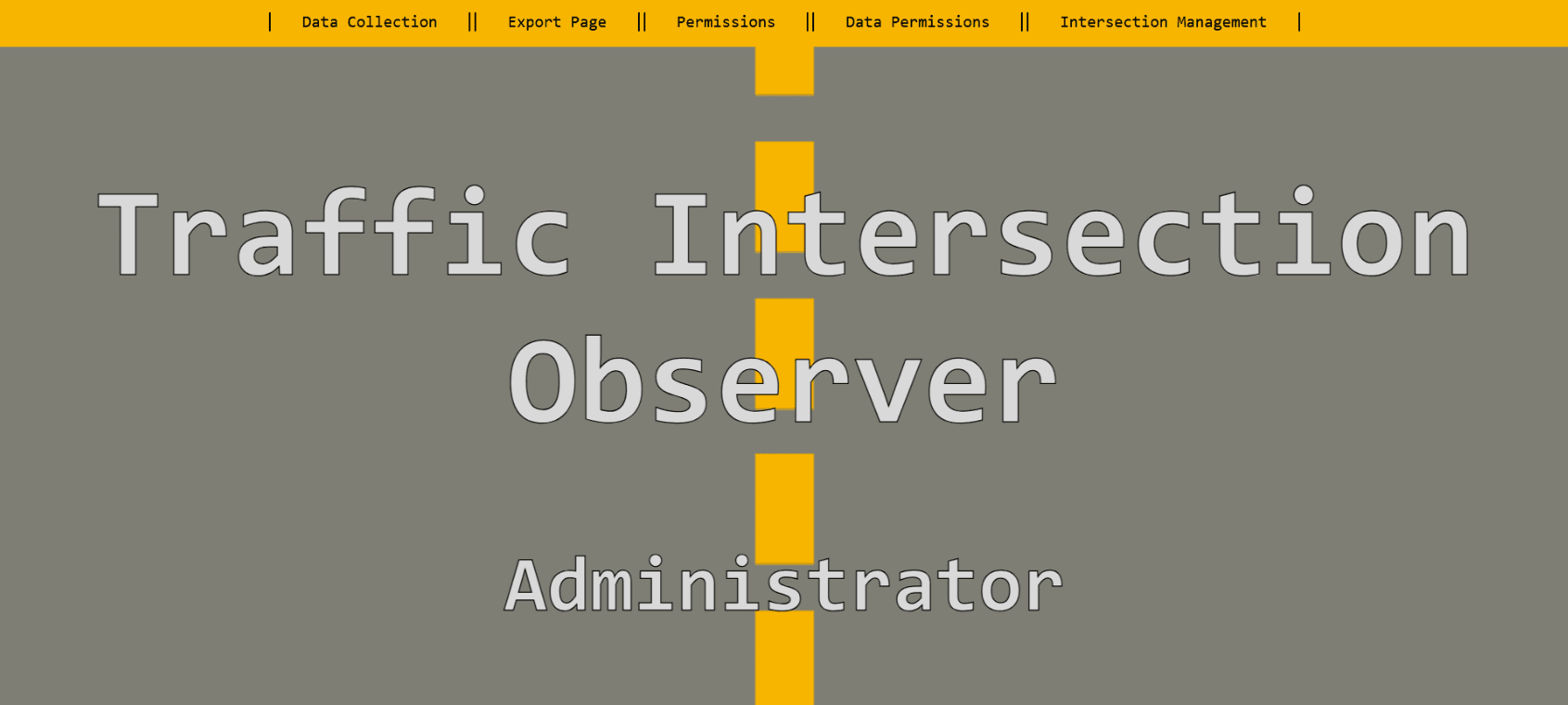
I joined the Intersection Observer App team as a sort of black sheep. I was the only Human Factors/HCI major in a team full of Computer Science and Software Engineering majors. This brought in some challenges as they would often talk in a language that I was very inexperienced in.
That didn't mean that I didn't offer anything to the team. Because of my different background in HCI and UX, I was able to offer insights into usability for all areas of the application. While also designing my own section of UI, I gave suggestions on how to improve the usability of administrative UI functions such as displaying data and organizing database items.
Because of my knowledge of usability heuristics, I could spot problems before they happened. These included unnecessary steps, poor readability with text color and font choices, and button arrangements.
Ultimately, the project didn't meet the ideas that I had hoped for, but given the ever expanding list of requirements from our stakeholders, unfamiliarity with new technologies, and the short timeline of one semester, I am proud of the work we did.
year
2025
timeframe
14 weeks
tools
Figma, HTML, CSS
category
UI/UX
01
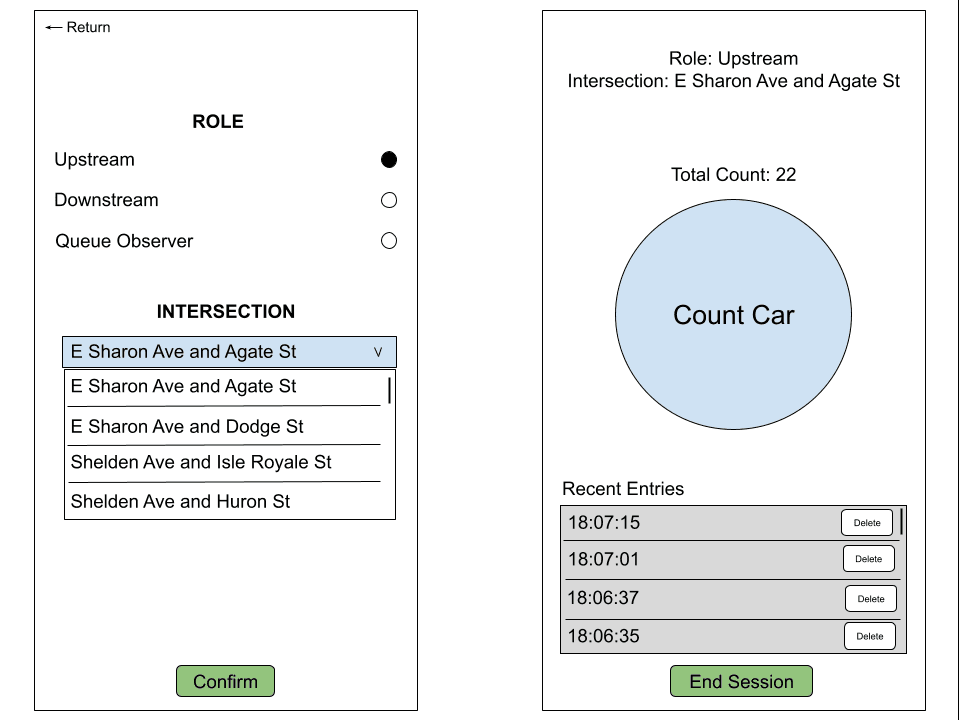
Early design prototypes for data collection
02
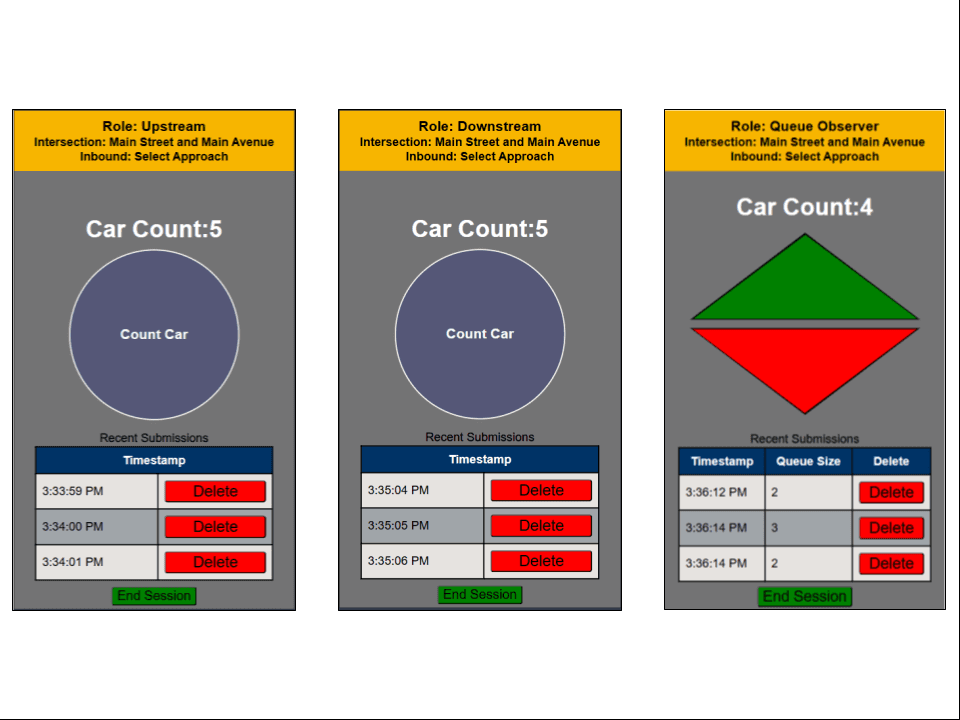
Final design screenshots of data collection pages

